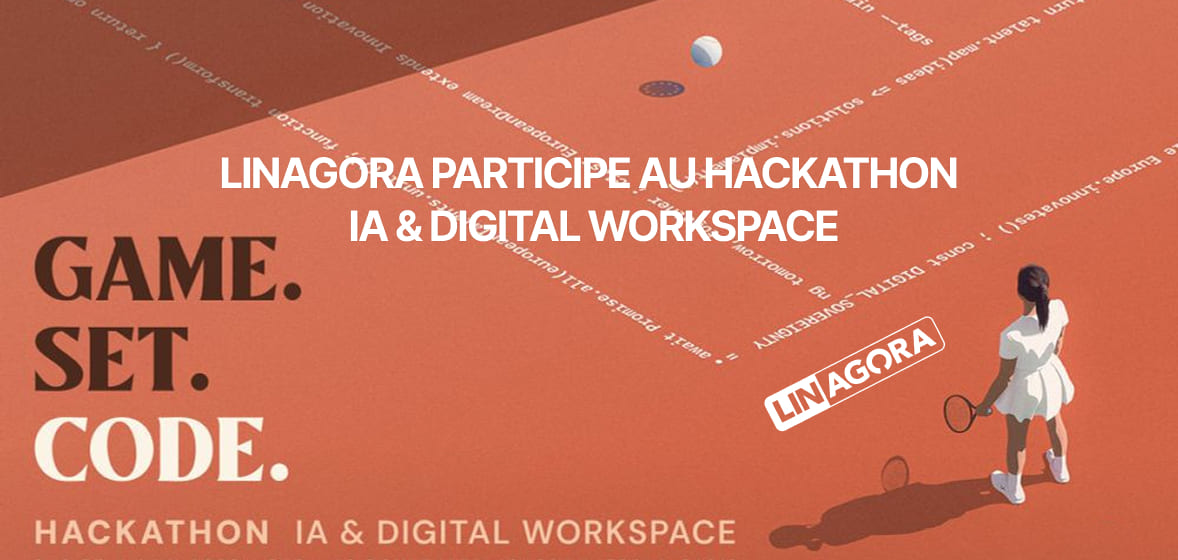
From June 2 to 4, 2025, DINUM organized the AI & Digital Workspace Hackathon at the ENS Paris Jourdan campus. The event brought together teams of experts around an ambitious goal: designing an open source, interoperable, and sovereign collaborative platform. It was in this crucible of innovation that the foundations of the Open Buro standard began to take shape.
Beyond the technical challenge, a vision emerged from those three intense days: one of ethical, open, and proudly European technology, built to create the collaborative tools of tomorrow.
The Team at the Starting Line
Five LINAGORA experts were on the starting line, each bringing complementary expertise essential to the project's success:
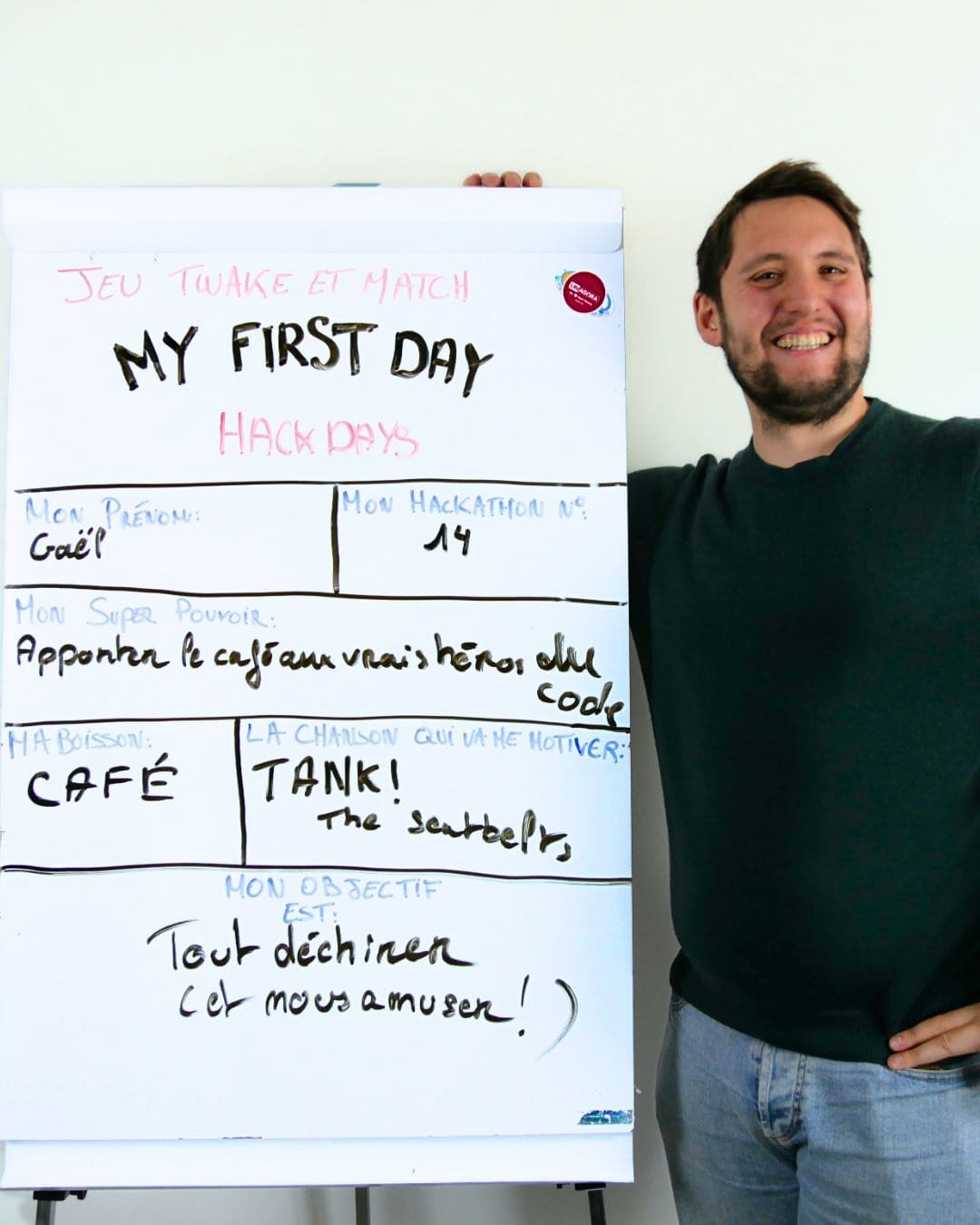
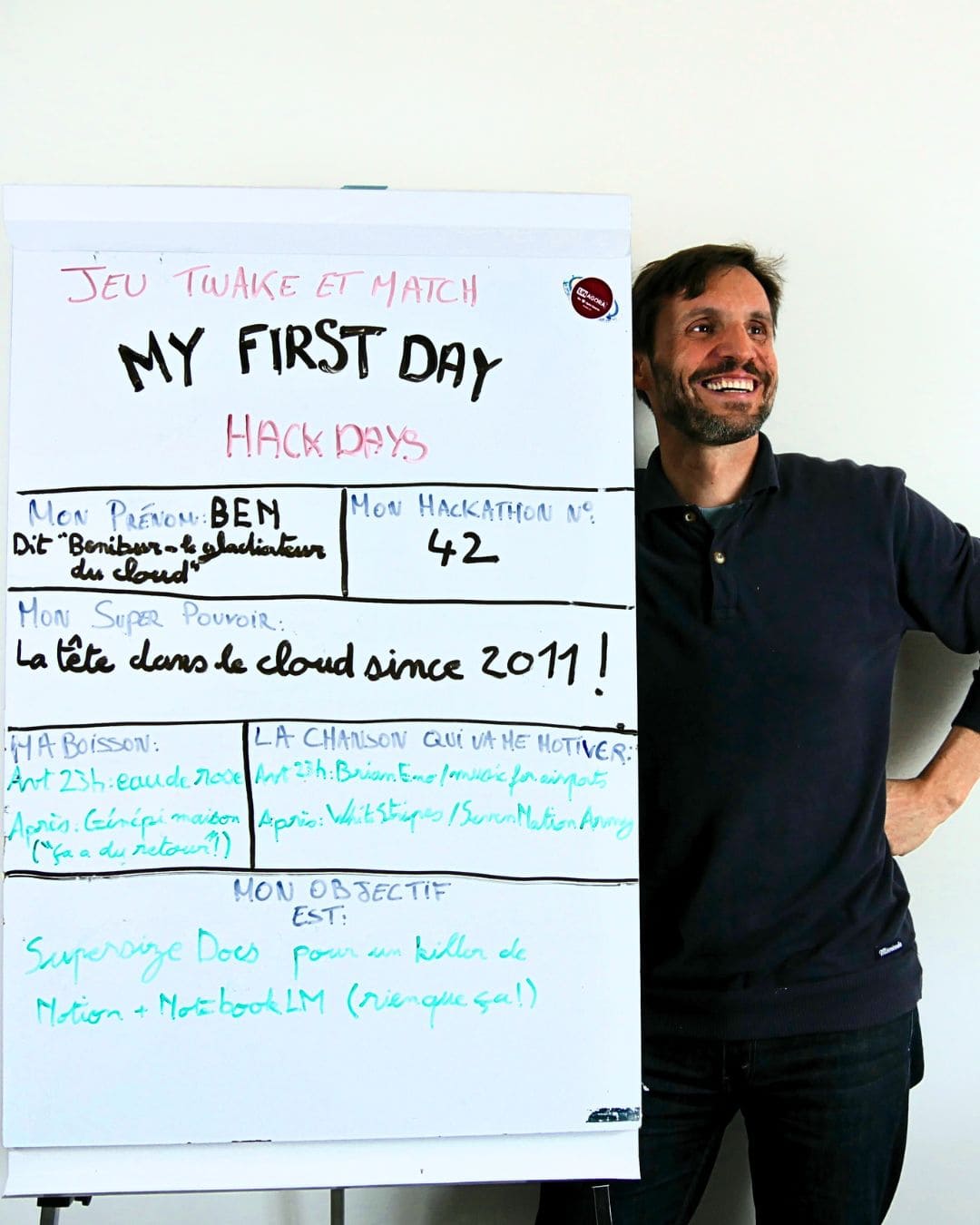
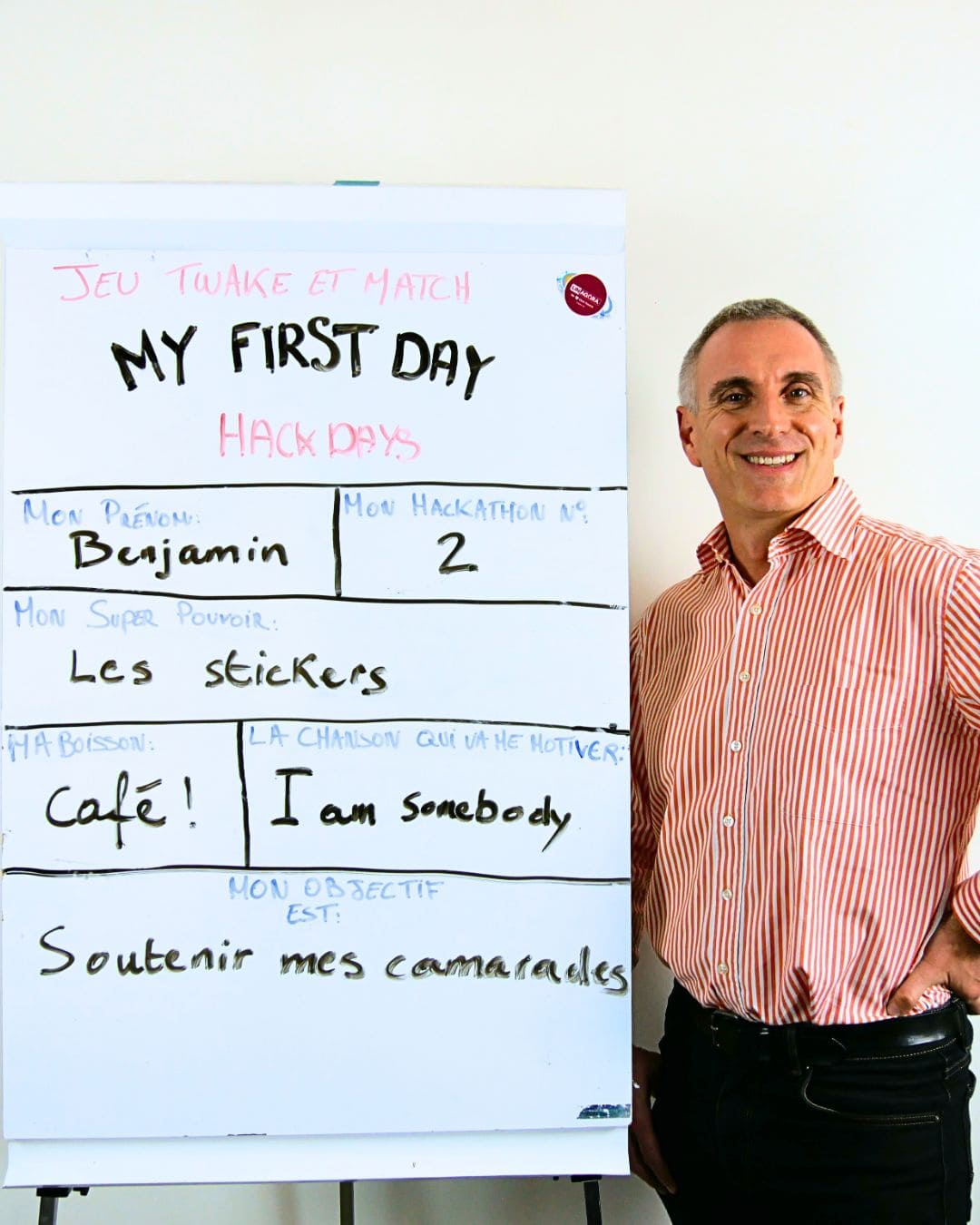
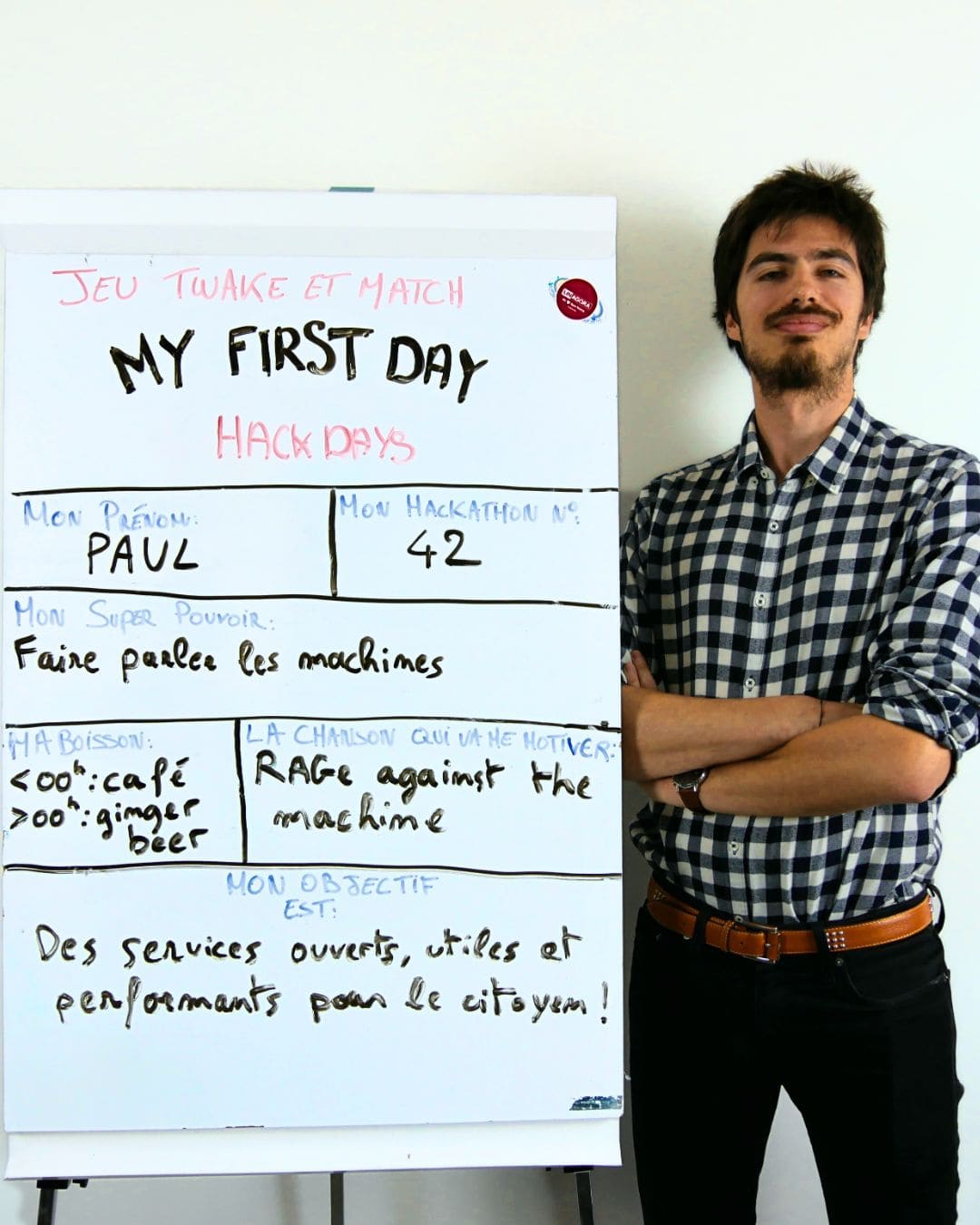

Together, they worked alongside other teams to lay the first bricks of a sovereign digital ecosystem capable of competing with proprietary suites.
At the Heart of the Challenge
The hackathon was structured around two major axes that would become the founding pillars of Open Buro:
Integrating La Suite numerique into Twake Workplace
Demonstrating that it is possible to create a unified experience from sovereign open source building blocks, by integrating La Suite numerique tools within Twake Workplace, LINAGORA's European Digital Workplace solution.
Integrating openRAG
Add AI through openRAG, a RAG (Retrieval-Augmented Generation) system, to deliver an augmented, secure, and intelligent experience. An AI assistant capable of understanding the user's work context while guaranteeing data sovereignty.
From Experimentation to Standard
This hackathon was far more than a technical competition. It revealed a fundamental market need: an open orchestration standard capable of federating open source collaborative tools into a coherent platform.
The building blocks exist. What was missing was the orchestration layer that transforms isolated applications into a truly unified workspace.
The lessons drawn from those three days of intensive development directly fed into the thinking behind Open Buro:
- Interoperability: open protocols are the key to connecting heterogeneous tools without vendor lock-in
- Sovereignty: a European platform must guarantee complete control over data
- Responsible AI: artificial intelligence must enrich the experience without compromising privacy
- Unified experience: users should not have to juggle dozens of different interfaces
Toward a Committed Good Tech
The initiative is part of a broader movement toward a committed and responsible Good Tech. A technology that places people and digital sovereignty at the center of its concerns, rather than data capture and proprietary lock-in.
The Open Buro standard, born from this collaboration between public actors and the open source ecosystem, carries this ambition today: to offer Europe a credible, open, and sustainable alternative to proprietary workplace suites.
Back to news